Digital Tools Revolutionizing Agriculture
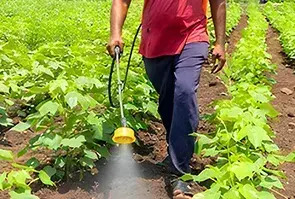
Agriculture Modern Tools
Farming has changed fast in recent years. Many farmers now use digital tools to grow crops better. These tools help save water, and money. They also improve crop health and yield. The rise of agriculture modern tools has made farming smarter and easier.
Smart Sensors Help Farmers Watch Fields
Farmers now place small sensors in their fields. These sensors track soil moisture, temperature, and nutrients. The data goes to a mobile phone or computer. Farmers can check field conditions at any time.
This method removes guesswork. Farmers know when to water or fertilize crops. This step reduces waste and boosts crop growth. It also helps protect the soil.
Drones Offer a Clear View from Above
Drones fly over fields and capture clear images. These images show crop health and pest issues. Farmers can spot problems early and act fast. A drone covers large land in minutes.
GPS Technology Guides Farm Machines
Modern tractors use GPS for accurate movement. This system helps farmers plant seeds in straight lines. It also avoids overlap and missed spots.
Farmers use less fuel and seeds with this method. It increases efficiency across large farms. Precision farming becomes simple with GPS support.
Artificial Intelligence Predicts Crop Needs
Artificial intelligence studies farm data and finds patterns. It predicts weather changes and crop diseases. Farmers receive alerts before problems grow.
Automated Irrigation Saves Water
Automated systems control water flow based on need. Sensors send signals when the soil becomes dry. The system then waters crops.
This process saves water and energy. Farmers avoid overwatering and soil damage. It also lowers labor effort.
Digital Marketplaces Connect Farmers and Buyers
Farmers now sell crops through online platforms. These platforms link them directly with buyers. This link removes middlemen and increases profit.
Farmers can compare prices and choose better deals. They also gain access to wider markets. This shift improves income stability.
Blockchain Ensures Food Traceability
Blockchain technology records every step of food production. It tracks crops from farm to store. Buyers can check product origin and quality.
This system builds trust between farmers and consumers. It also improves food safety standards.
Challenges Still Exist in Digital Farming
Some farmers struggle to adopt new tools. High costs and lack of training create barriers. Poor internet access also limits usage.
Governments and companies must address these issues. They should provide support and training programs. This step will help more farmers benefit.
The Future Looks Promising
The use of agricultural modern tools will keep growing. Farmers will rely more on data and smart systems. These tools will make farming more efficient and sustainable. Young farmers show a strong interest in technology. They bring fresh ideas and energy to agriculture. This trend will drive future growth.
Conclusion
Digital tools have changed farming in many ways. They help farmers work faster and smarter. They also reduce risks and increase profits. Every farmer can benefit from these tools with proper support. The future of farming depends on smart choices and better technology.